
What Are Nylon Sanding Belts? The Ultimate Guide to Contour Finishing & Cleaning
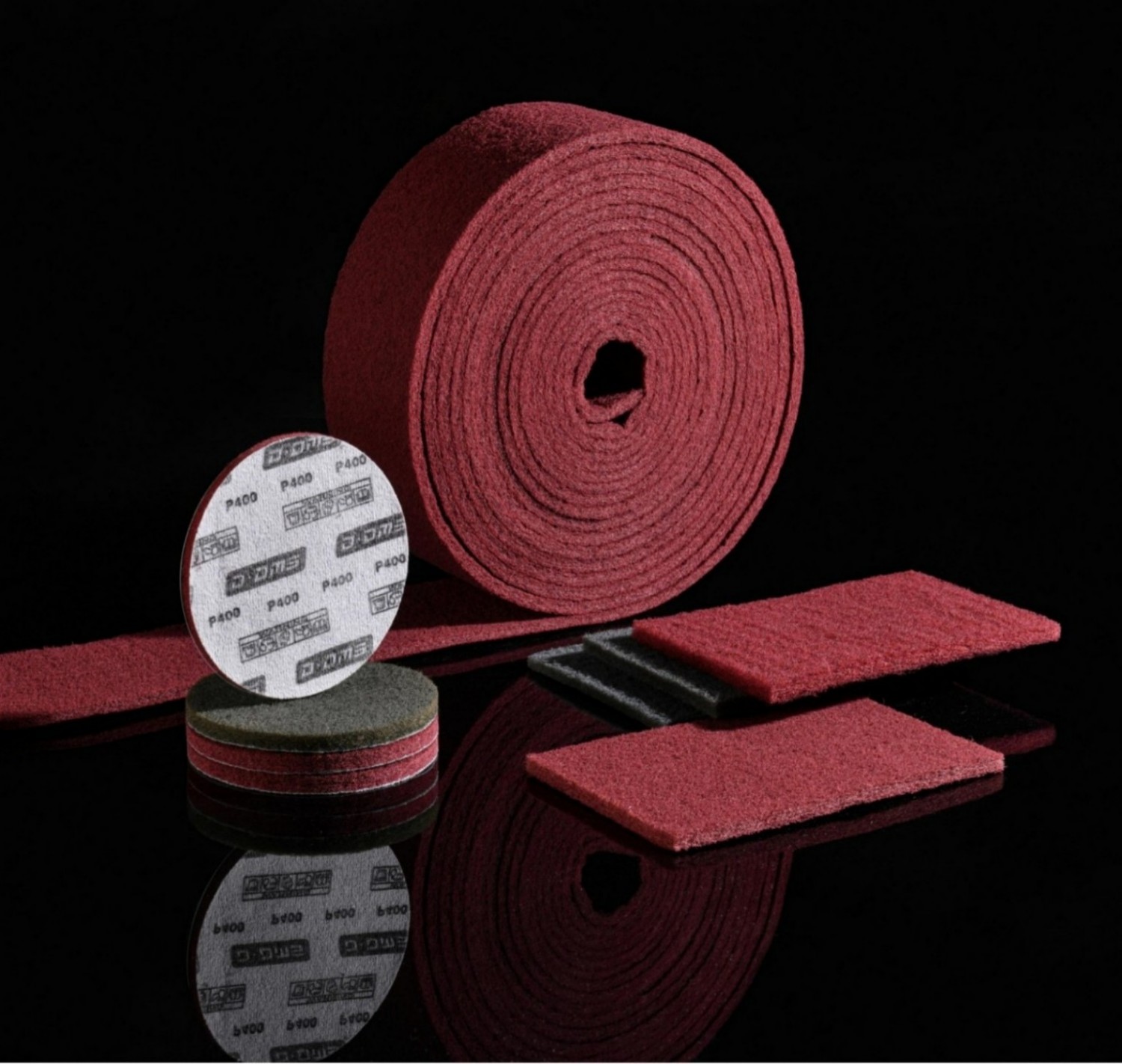
Nylon sanding belts, commonly called non-woven abrasive belts, are specialized finishing tools for surface conditioning, cleaning, and deburring. Unlike traditional cloth/paper-backed belts, they’re made from nylon fiber webs infused with abrasive minerals (aluminum oxide, silicon carbide, or diamond) and secured by resin, offering durability, flexibility, and consistent precision.
This guide breaks down how they work, their key advantages, and diverse industrial applications to help you choose the right tool.
Experienced manufacturers provide tailored nylon sanding belts in various grits (80–280), sizes, and abrasive formulations to match different materials and finishing goals.
How Do Nylon Sanding Belts Work?
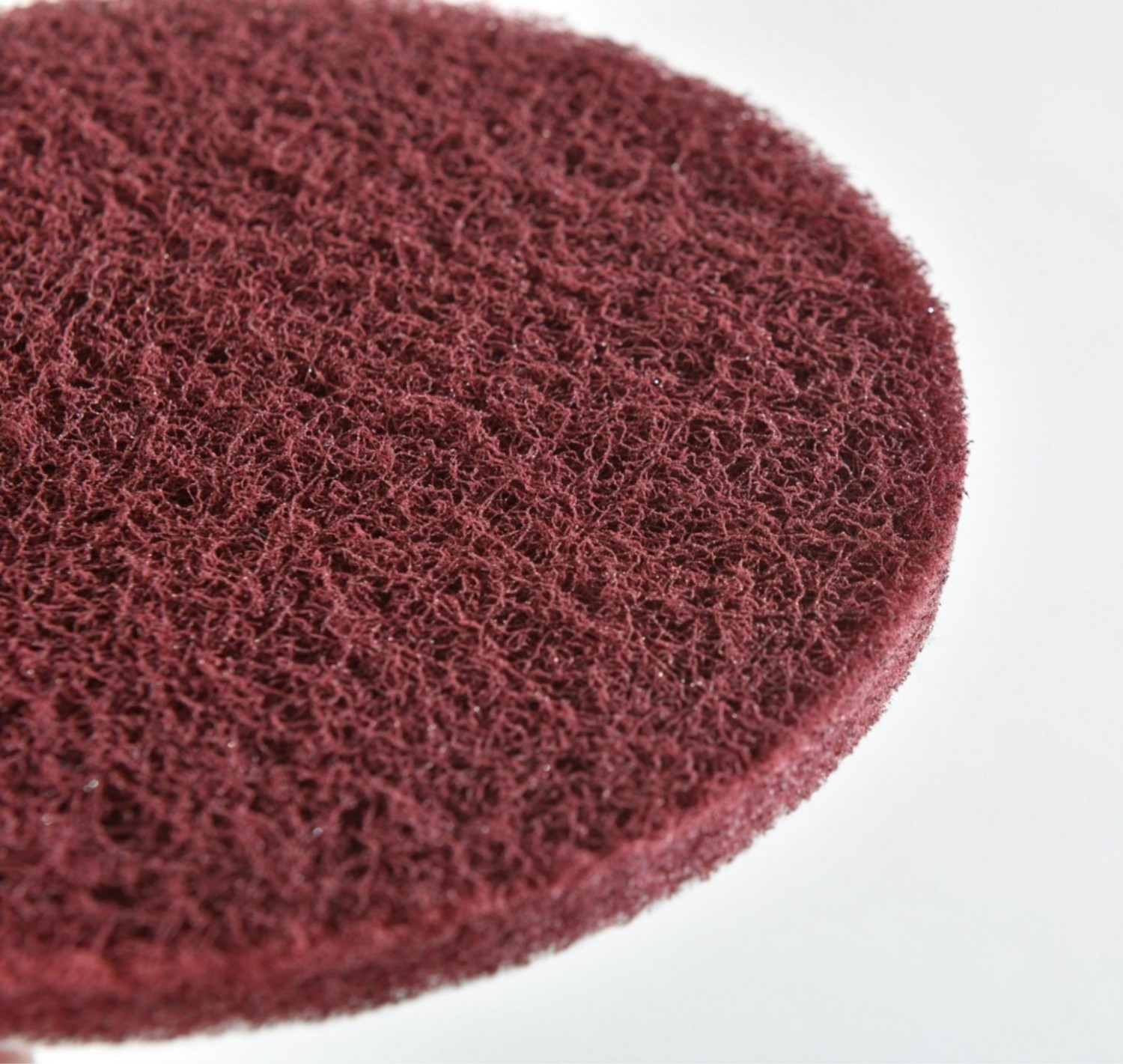
Their performance comes from a unique non-woven structure—like a flexible abrasive scouring pad in belt form—with three key components:
1. Structure: A bonded web of nylon fibers forms a durable, open fabric for heat dissipation and debris removal.
2. Abrasive Impregnation: Abrasive grains are resin-held in the web, ensuring consistent cutting without shedding.
3. Working Action: Flexible fibers let grains conform to irregular surfaces, removing minimal material while blending scratches and achieving a uniform finish.
Key Advantages of Nylon Non-Woven Belts
Nylon belts outperform traditional coated belts for specific finishing tasks, with core benefits:
- Flexibility & Conformability: Adapts to curves and irregular shapes without grooves, ideal for complex parts and weld seams.
- Consistent Finish: Delivers a predictable satin/brushed finish (e.g., #4 on stainless steel) for visible parts like appliances.
- Cool Cutting: Open structure reduces heat, preventing warping or discoloration of sensitive metals.
- Durability: Resilient nylon wears slowly, lasting longer than cloth belts and reducing downtime.
- Non-Loading: Open design prevents clogging, ensuring consistent performance on soft metals and wood.
Primary Applications of Nylon Sanding Belts
Versatile and precise, nylon belts are preferred for surface preparation across industries:
1. Metalworking & Fabrication
- Stainless Steel Finishing: Creates uniform #4 satin finishes for appliances and architectural elements.
- Weld Blending: Smooths weld seams without removing excess base metal.
- Deburring: Removes sharp edges from machined parts for safety and fit.
- Rust Removal: Gently cleans corrosion from steel/aluminum without harsh scratching.
2. Woodworking
- Final Conditioning: Delivers a fine scratch pattern before staining/painting.
- Repair Blending: Evens repaired areas with surrounding wood grain.
- Paint Prep: Cleans and scuffs surfaces for better paint adhesion.
3. Automotive & Aerospace
- Paint Prep: Blends repair areas for seamless refinishing.
- Composite Finishing: Gently cleans fiberglass and carbon fiber components.
4. General Maintenance (MRO)
- Surface Cleaning: Removes light corrosion and contamination from equipment.
- Restoration: Refinishes worn tools and machinery.
Nylon Belts vs. Conventional Coated Abrasive Belts
Choose the right belt by understanding their differences: Nylon belts excel at finishing, cleaning, and blending with uniform results, high flexibility, low heat, and controlled material removal. Conventional coated belts (zirconia, ceramic) are for aggressive stock removal and heavy grinding, with stiffer construction, higher heat, and more material loss.
Conclusion: Use nylon belts for precision finishing tasks; conventional belts for heavy grinding.
Trusted manufacturers offer customizable nylon belts in various grits and formulations, matching metalworking, woodworking, automotive, and MRO needs.
Ready to Improve Your Finishing Process?
Elevate your finishing with our high-quality nylon sanding belts. Our experts help select the perfect option for optimal performance.
?Contact us today for a free consultation and quote. Download our FREE Abrasive Selection Guide to master surface finishing!