
Wire brushes are a staple tool in both industrial workshops and DIY garages, offering unmatched versatility for tough surface preparation and cleaning tasks. Whether you’re stripping chipped paint from metal, scrubbing rust off old hardware, deburring machined parts, or prepping surfaces for subsequent
painting, a wire brush delivers the power and precision needed to get the job done right. While they’re most commonly associated with rust removal, these tools—when paired with angle grinders, drills, or used by hand—can tackle a wide range of contaminants, including weld spatter, slag, oxidized materials, and even old varnish or insulation.
But with so many wire brush types, materials, and configurations available, choosing the right one for your project can be overwhelming. Selecting the wrong brush can lead to poor results, damaged workpieces, or even safety risks. In this comprehensive guide, we break down everything you need to know about wire brushes—from their key applications and types to the critical factors that will help you make an informed choice, plus essential safety tips for safe, effective use.

Key Applications of Wire Brushes
Wire brushes are the go-to solution for countless surface preparation tasks, thanks to their ability to tackle tough contaminants while adapting to different surfaces and project needs. Their main uses span industrial, commercial, and DIY settings, including:
- Surface Finishing: Wire brushes are essential for surface conditioning, removing leftover metal particles from abrasive processes, relieving stress caused by machining, and creating a uniform, consistent finish. This step is crucial for ensuring painting, bonding, or coating adheres properly.
- Deep Cleaning: Uniquely suited for removing heat-treat scale, weld slag, dirt, grime, and corrosion (rust) from metal surfaces. They’re also handy for stripping varnish or insulation from electrical wires and motor stators, making them a versatile tool for maintenance work.
- Deburring & Edge Blending: After machining, parts often have small burrs (sharp, uneven edges) that can compromise performance or safety. Wire brushes gently remove these burrs without damaging the base material. They also create smooth, rounded corners at surface junctions, reducing stress concentration and extending the lifespan of the part.
- Surface Roughening: To improve adhesion before painting, gluing, or bonding materials (such as rubber, leather, plastics, or non-ferrous metals), wire brushes create a textured surface. This texture helps the coating or adhesive grip better, resulting in a more durable finish.
Different Types of Wire Brushes (By Style & Application)
Wire brushes are designed for specific tasks, with various shapes and styles tailored to different surfaces and hard-to-reach areas. They’re most commonly categorized by their shape, which dictates their best use case. Here are the most popular types:
- Wheel Brushes: Circular steel wire brushes, perfect for general-purpose cleaning, deburring, and surface finishing. They excel on large, flat surfaces (like metal sheets or wooden decks) and are often used with angle grinders for efficient, broad coverage.
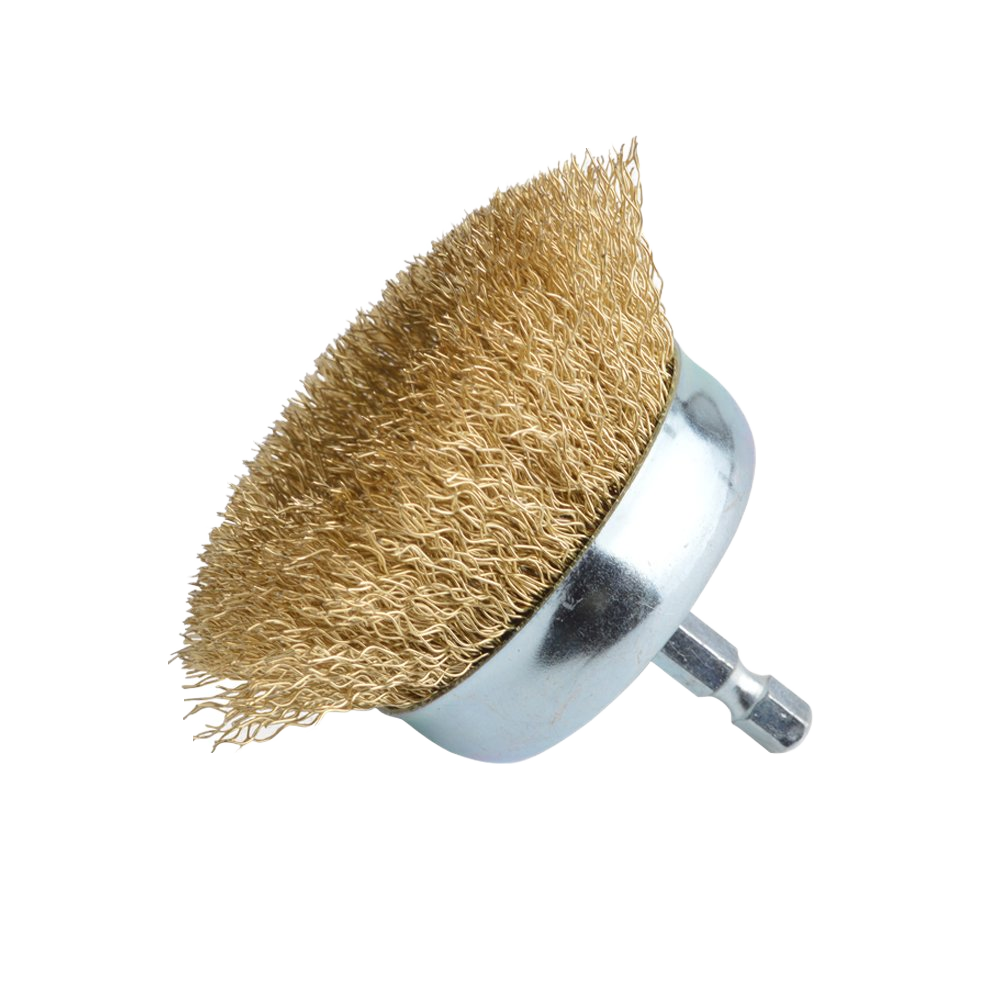
- Cup Brushes: Shaped like a cup, these brushes are built for aggressive cleaning and weld spatter removal. Mounted on grinders, they deliver powerful performance and cover large horizontal surfaces (such as welds or industrial equipment) quickly and effectively.
- End Brushes: Designed to be attached to a drill, end brushes are ideal for cleaning small, hard-to-reach areas—think corners, crevices, and internal surfaces (like pipe ends or bolt holes) that larger brushes can’t access.
- Tube Brushes (Twist-In-Wire Brushes): Specifically crafted for cleaning and finishing internal threads, pipes, and holes. They’re compatible with both drill presses and portable power tools, making them a must-have for maintenance and machining tasks.
- Stem-Mounted Brushes: Miniature versions of other brush types, mounted on a single stem. They’re used with high-speed air or power tools to reach extremely tight spaces (like small gaps in machinery or delicate components) where standard brushes won’t fit.
Factors to Consider When Choosing a Wire Brush
To get the best results—and avoid damaging your workpiece or tool—you need to choose a wire brush based on three key factors: wire type, wire diameter, and filament configuration. Each factor directly impacts the brush’s aggressiveness, durability, and suitability for your project.
1. Wire Type (Material)
The wire material determines the brush’s compatibility with your workpiece—matching the wire to the material you’re working on ensures optimal performance and prevents damage (like scratching or contamination). Here are the most common wire types:
- Carbon Steel: The most common and affordable option, ideal for general-purpose cleaning, rust removal, and deburring on steel and iron. It’s durable and aggressive but may leave minor rust spots if used on non-ferrous metals.
- Stainless Steel: Perfect for use on stainless steel, aluminum, and other non-ferrous metals. It resists corrosion and prevents “after-rust” (rust that forms after cleaning) and contamination, making it ideal for food-grade or high-quality metal surfaces.
- Brass: A softer wire material, best for delicate metals like brass, copper, or aluminum. Since it’s non-sparking, it’s also a safe choice for environments where sparks could be a hazard (like near flammable materials).
- Nylon: A non-metallic option, often filled with abrasive grit. It’s used for light cleaning, polishing, or surface conditioning on soft materials (like wood, plastic, or delicate metals) where metal wires would cause scratches.
2. Wire Diameter
The diameter of the wire determines how aggressive the brush is—thicker wires are tougher and better for heavy-duty tasks, while thinner wires are gentler and ideal for precision work. Common diameter ranges include:
- Fine Wires (0.008” – 0.012”): Best for light-duty jobs like surface finishing, polishing, and removing light contaminants (like dust or minor oxidation). They’re gentle enough for delicate surfaces but still effective for light cleaning.
- Coarse Wires (0.020”+): Preferred for heavy-duty tasks, such as aggressive rust removal, weld slag cleanup, and stripping thick paint or scale. These wires are durable and can handle high pressure without bending or breaking.
3. Filament Configuration
Filament configuration refers to how the wires are arranged in the brush, which affects flexibility, aggressiveness, and suitability for different surfaces. The three main configurations are:
- Crimped Wire: Ideal for light- to medium-duty tasks. The crimped filaments are self-supporting and flexible, allowing the brush to conform to irregular surfaces (like curved metal or textured wood). They’re great for removing light contaminants while delivering a smooth, fine finish.
- Twist Knot: The most durable and aggressive configuration. Filaments are twisted together into rigid, rope-like structures, making them perfect for the most demanding tasks—think heavy rust removal, weld scale, and thick slag cleanup. They’re built to withstand high pressure and heavy use.
- Standard Twist: A more flexible version of the twist knot. It’s suitable for general-purpose cleaning, light deburring, and surface conditioning. It balances aggressiveness and flexibility, making it a versatile choice for everyday tasks.
Important Safety Precautions for Using Wire Brushes
Using a wire brush—especially when paired with power tools (like grinders or drills)—requires strict adherence to safety guidelines to protect yourself and your workpiece. Here are the most critical safety tips:
- Wear Proper PPE: Always use safety goggles or a face shield to protect your eyes and face from flying debris (like paint chips, rust, or broken wire bristles). Heavy-duty gloves will protect your hands from cuts, scratches, or wire punctures.
- Check RPM Ratings: Before using a wire brush with a power tool, ensure the brush’s maximum RPM (revolutions per minute) rating is equal to or higher than the tool’s RPM. Exceeding the brush’s maximum RPM can cause it to disintegrate, leading to serious injury.
- Use the Right Technique: Apply light to medium pressure—let the tips of the wires do the work. Over-pressing the brush can damage the wires, reduce its effectiveness, and lead to premature wear. Move the brush in smooth, consistent motions to avoid uneven cleaning or scratching.
- Inspect the Brush Before Use: Check for loose wires, bent filaments, or damage to the brush’s base. A damaged brush can break apart during use, posing a safety hazard.
Conclusion
Wire brushes are versatile, affordable, and essential tools for any surface preparation task—from industrial machining to DIY home projects. By understanding the different types of wire brushes, their applications, and the key factors to consider when choosing one, you can select the perfect tool for your needs.
Remember: the right wire brush, paired with proper technique and safety precautions, will not only help you achieve a professional, consistent finish but also extend the life of your tools and workpieces. Whether you’re a seasoned professional or a DIY enthusiast, mastering the use of wire brushes will make your surface preparation tasks faster, easier, and more effective.