

Whether you're refinishing furniture, preparing drywall for paint, or polishing metal surfaces, a sanding sponge is one of the most practical abrasive tools you can own. Thanks to its flexible foam construction and durable abrasive coating, it reaches areas that traditional sandpaper often cannot.
In this guide, ZY explains everything you need to know about sanding sponges—from choosing the right grit to mastering sanding techniques for different materials.

What Is a Sanding Sponge?
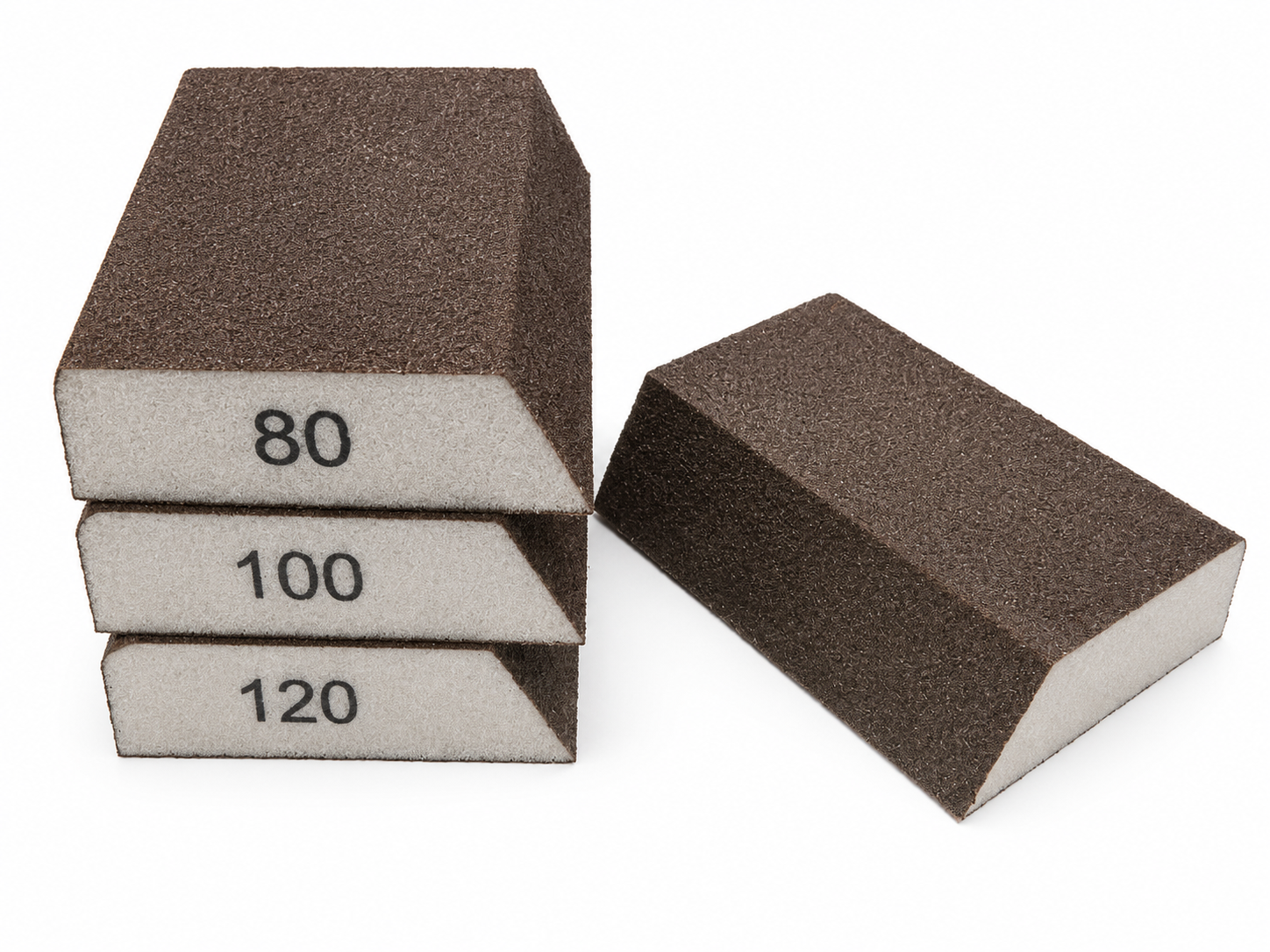
A sanding sponge is a flexible abrasive product consisting of a foam core covered with abrasive minerals such as aluminum oxide or silicon carbide. Unlike conventional sandpaper, its soft backing allows it to conform to curves, corners, edges, and irregular profiles while maintaining even sanding pressure.
Because of this flexibility, sanding sponges are widely used in woodworking, automotive refinishing, drywall finishing, metal fabrication, and home improvement projects.
Why Choose a Sanding Sponge Instead of Regular Sandpaper?
Although traditional sandpaper is still widely used, sanding sponges offer several practical advantages.
Flexible for Complex Shapes
The foam backing bends naturally around curved edges, moldings, rounded furniture legs, pipes, and detailed profiles. This helps maintain uniform contact with the surface and reduces uneven sanding.
Longer Service Life
Compared with standard sandpaper sheets, sanding sponges are more resistant to tearing and cracking. The foam support distributes pressure evenly, helping the abrasive layer last longer during repeated use.
Reusable and Easy to Clean
Many sanding sponges can simply be rinsed with water after use. Once dry, they are ready for another project, making them a more economical option over time.
Better Surface Control
The cushioning effect reduces aggressive cutting and minimizes the chance of leaving deep scratches, making sanding sponges an excellent choice for finishing work and delicate materials.
Suitable for Wet or Dry Sanding
Many professional sanding sponges perform well in both dry and wet applications. Wet sanding helps reduce airborne dust, prevents abrasive clogging, and often produces a finer surface finish.
Selecting the Right Sanding Sponge Grit
Choosing the correct grit is essential for achieving the desired finish.
Coarse (40–60 Grit)
Ideal for removing old coatings, leveling rough surfaces, shaping wood, or eliminating heavy imperfections.
Medium (80–120 Grit)
Suitable for general-purpose sanding, surface preparation before painting, and smoothing rough wood or filler.
Fine (150–220 Grit)
Commonly used between coats of primer or paint, removing minor scratches, and preparing surfaces for finishing.
Extra Fine (320 Grit and Above)
Perfect for final finishing, polishing, and creating ultra-smooth surfaces on wood, painted panels, metal, and composite materials.
Step-by-Step Guide to Using a Sanding Sponge
Step 1: Prepare the Surface
Begin by removing loose dust, grease, wax, or dirt. A clean surface allows the abrasive to work efficiently and prevents contaminants from scratching the material during sanding.
Step 2: Choose the Appropriate Grit
Start with a grit that matches the condition of your workpiece.
Rough surfaces require coarse abrasives.
Previously finished surfaces usually need medium grit.
Final finishing should always be completed using fine or extra-fine grits.
Moving gradually through several grit levels generally produces the best finish.
Step 3: Decide Between Wet and Dry Sanding
Dry sanding is faster and works well for wood preparation and general finishing.
Wet sanding is recommended when:
Sanding painted surfaces
Refinishing automotive coatings
Working on metal
Reducing dust generation
Achieving a finer finish
When wet sanding, dampen the sponge rather than soaking it completely.
Step 4: Sand with Even Pressure
Avoid pressing too hard.
Instead, allow the abrasive particles to perform the cutting while you maintain smooth, consistent movement.
For wood surfaces, always sand along the direction of the grain. This minimizes visible scratches and produces a cleaner appearance after staining or painting.
For rounded or irregular shapes, use gentle circular motions while allowing the sponge to follow the contour naturally.
Step 5: Sand Edges, Corners, and Profiles
One of the biggest advantages of sanding sponges is their ability to reach difficult areas.
Their compressible foam allows them to:
Smooth decorative moldings
Finish cabinet edges
Sand rounded corners
Reach inside grooves
Work around curved furniture components
This flexibility often eliminates the need for specially shaped sanding blocks.
Step 6: Inspect the Surface Frequently
Pause regularly to check your progress.
Running your hand lightly across the surface is often the easiest way to detect remaining rough spots or uneven areas before moving to a finer grit.
Early inspection also helps prevent excessive sanding.
Step 7: Remove Dust Before Finishing
After sanding is complete, thoroughly remove sanding residue using a microfiber cloth, tack cloth, compressed air, or vacuum.
For wet sanding, wipe away any remaining slurry and allow the surface to dry completely before applying paint, stain, primer, or clear coat.
Professional Tips for Better Results
Experienced craftsmen often follow several simple practices to improve sanding quality.
Let the abrasive do the work instead of applying excessive pressure.
Progress through multiple grit sizes rather than skipping directly to fine grits.
Rinse reusable sanding sponges regularly to maintain cutting efficiency.
Replace worn sponges when the abrasive becomes smooth.
Test the chosen grit on a hidden or scrap surface before working on finished materials.
Keep sanding strokes consistent to avoid creating uneven patterns.
Common Applications of Sanding Sponges
Because of their versatility, sanding sponges are suitable for a wide range of industries and DIY projects.
Woodworking
Ideal for furniture manufacturing, cabinet making, trim work, wooden doors, and hardwood flooring preparation.
Automotive Refinishing
Used for primer sanding, paint preparation, clear coat finishing, and blending repair areas.
Drywall Finishing
Excellent for smoothing joint compound, feathering seams, and preparing walls before painting.
Metalworking
Useful for removing oxidation, light rust, surface imperfections, and preparing metal before coating.
Home Renovation
Perfect for sanding doors, window frames, railings, moldings, decorative trim, and other difficult-to-reach surfaces.
Common Mistakes to Avoid
Even experienced users can reduce sanding quality by making a few common mistakes.
Using a grit that is too coarse for finishing work.
Applying excessive pressure.
Skipping intermediate grit sizes.
Sanding against the wood grain.
Continuing to use a clogged abrasive sponge.
Failing to clean the surface before painting.
Avoiding these issues will produce smoother, more professional-looking results.
Why Professionals Choose ZY Sanding Sponges
At ZY, we manufacture high-performance abrasive solutions designed for both industrial users and professional distributors worldwide.
Our sanding sponges offer:
Premium aluminum oxide and silicon carbide abrasives
Uniform grit distribution for consistent sanding performance
Flexible high-density foam construction
Excellent durability and extended service life
Wet and dry sanding compatibility
Multiple grit options for woodworking, automotive, metalworking, and drywall applications
Whether you're a manufacturer, contractor, or distributor, ZY provides reliable abrasive products that deliver consistent finishing performance across a wide range of applications.
Final Thoughts
A sanding sponge is one of the most versatile finishing tools available today. Its flexibility, durability, and ease of use make it an excellent choice for everything from furniture restoration to automotive refinishing and drywall preparation.
By selecting the appropriate grit, using the correct sanding technique, and maintaining even pressure throughout the process, you can consistently achieve smooth, professional-quality results.
If you're looking for dependable abrasive products designed for demanding applications, ZY offers a complete range of sanding sponges and abrasive solutions to help improve productivity and finishing quality.