

Sanding serves as a fundamental finishing process to smooth out uneven surfaces and deliver mirror-like polished effects, compatible with a wide spectrum of substrates including timber, metal and plastic. To unlock maximum sanding performance and premium surface finishes, a high-quality backing sanding pad is non-negotiable. Selecting a sanding pad tailored to your work demands is the core secret to hitting your target surface effect 100% — and this is exactly where Zhongyan Abrasives steps in. We specialize in matching premium sanding discs compatible with random orbital sanders for all your polishing and grinding needs.
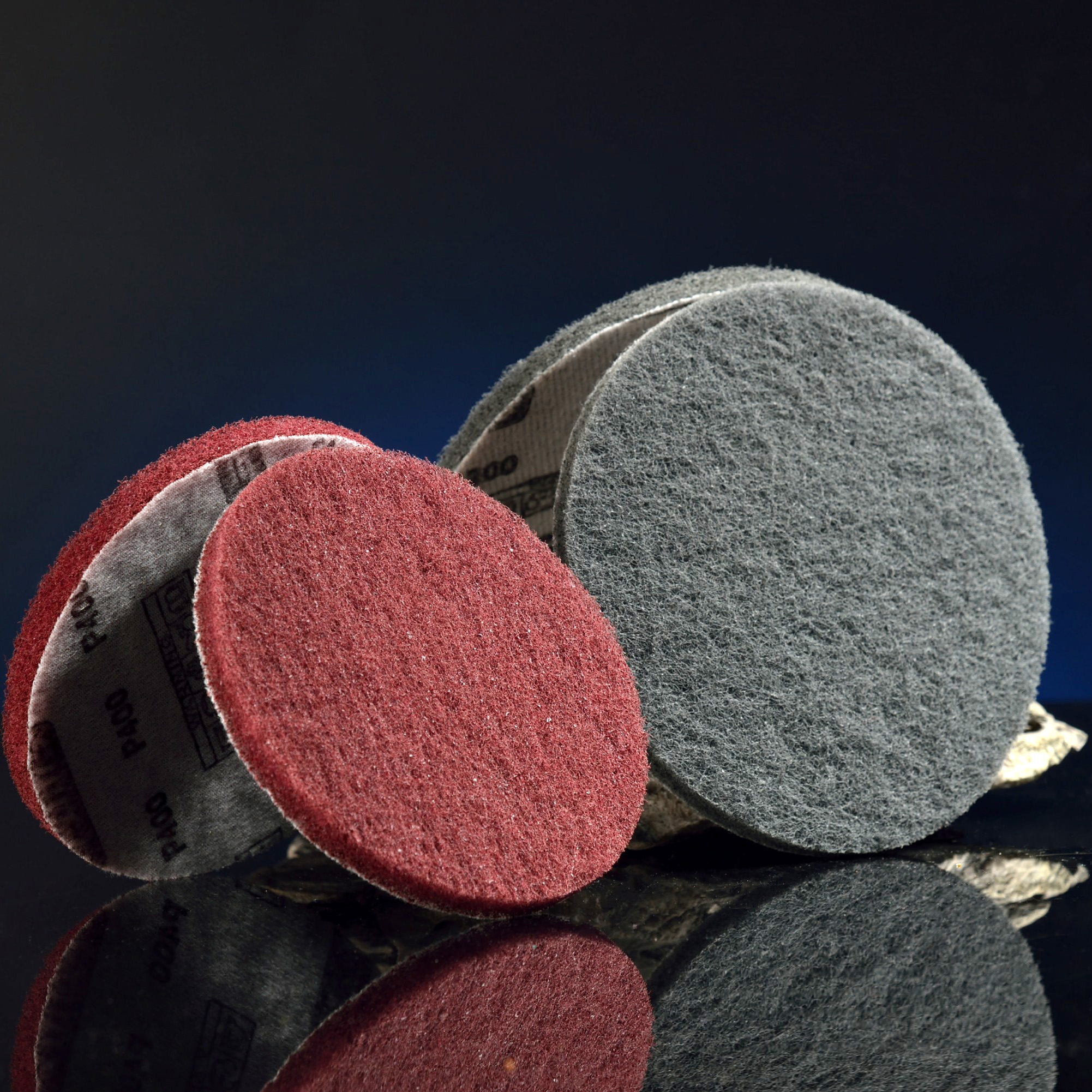
Two Core Categories of Sanding Pads for Orbital Sanders
Random orbital sanders feature a unique random circular oscillation design designed for flat, uniform sanding operations. The sanding pad sits at the heart of this power tool, making direct contact with workpieces to strip blemishes, level uneven spots and refine surfaces. The market offers multiple sanding pad variants, each engineered for distinct grinding and finishing tasks. In total, there are five mainstream sanding pad materials: foam, wool, textile fabric, rubber and felt, each with exclusive functional strengths.
Foam Sanding Pads
Constructed with soft foam cushion sandwiched between hook-and-loop backing layers, foam pads pair perfectly with finishing sanders to render spotless, sleek surfaces on wooden workpieces.
Wool Sanding Pads
Top-tier for eliminating stubborn surface scratches, wool pads excel at polishing coating layers to produce glossy, shimmering surface effects.
Fabric Sanding Pads
Boasting outstanding versatility, fabric pads support both dry and wet sanding modes, enabling seamless switching between the two working scenarios without switching tools.
Rubber Sanding Pads
Featuring ultra-high toughness and long service life, heavy-duty rubber pads are the go-to option for heavy stock removal and aggressive rough sanding work.
Felt Sanding Pads
Opt for felt pads when you require ultra-fine micro-finishing. They shine at buffing delicate workpieces to achieve ultra-smooth, blemish-free final surfaces.
Match Sanding Pad Grit Size to Different Workpiece Materials
A pad’s grit grade directly determines its abrasiveness, measured by the count of abrasive grains per square inch of the pad surface. Grit values generally span from 60 to 1200 and above; the higher the numerical grit value, the finer and softer the abrasive effect.
Hardwood: 80–120 grit high-medium pads deliver even sanding without scratching or damaging dense hardwood textures.
Softwood: 120–180 grit pads are recommended for fragile light softwood to avoid over-grinding.
Metal substrates: 80–120 grit efficiently strips rough burrs and uneven patches while maintaining stable sanding output.
Plastic & Fiberglass: 180–320 grit serves as the standard choice, effectively preventing surface scratch marks and yielding silky smooth finishes.
How to Select Sanding Pads by Size & Shape
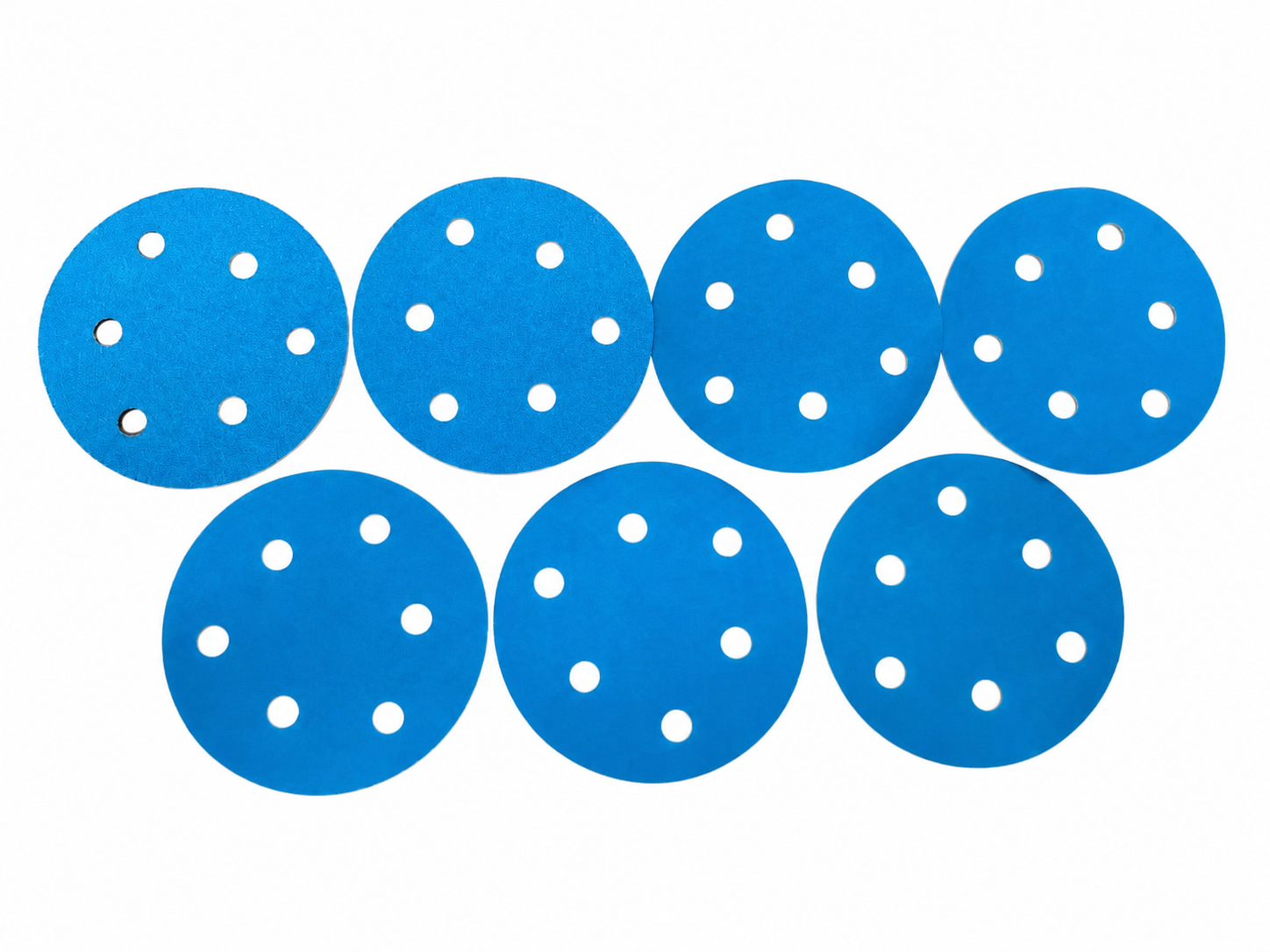
The dimension and contour of your sanding pad greatly impact work efficiency and operation convenience. Zhongyan Abrasives supplies PU grinding sanding pads in a full range of sizes and shapes, with precise matching to your project being a key priority:
Large flat surfaces: Choose 5–6 inch round sanding pads to cover wide areas and speed up bulk sanding procedures.
Narrow, hard-to-reach corners: Triangular sanding pads fit tight gaps and tiny workpiece zones with ease.
Curved & rounded profiles: Contoured curved pads perfectly follow irregular curved outlines for uniform sanding without missing spots.
Daily Maintenance Tips to Extend Sanding Pad Service Life
Proper maintenance preserves sanding pad performance, extends their lifespan and stabilizes grinding efficiency. Follow these practical care guidelines:
Fully clean pads after every use. Use dedicated cleaning agents to wash away accumulated dust, abrasive debris and workpiece residue.
Store cleaned pads in dry, tidy storage spaces post-operation to avoid damp corrosion and dirt contamination.
Replace pads promptly once they show severe wear, tearing or deformation — worn pads drastically degrade sanding quality and consistency.
Always equip your orbital sander with size and material-matched sanding pads to avoid operational flaws and uneven finishing.
Master the rule of coarse-to-fine grit switching based on workpiece material; this workflow is indispensable for achieving flawless polished results.
Step-by-Step Guide to Using Sanding Pads with Random Orbital Sanders
Operating sanding pads alongside orbital sanders is straightforward. Follow this complete workflow for premium workpiece finishes:
Prioritize pad selection: Confirm the sanding pad material and matching grit grade suited to your specific grinding task — this step lays the foundation for ideal finishing outcomes.
Securely attach the selected sanding pad to your orbital sander to eliminate loose shifting during operation.
Switch on the sander and start sanding your workpiece gently.
Maintain steady random swirling movements while sanding; apply moderate, even pressure and avoid excessive force pressing against the surface.
Frequently pause to inspect surface progress to prevent over-sanding, which can ruin workpieces and compromise your desired finish.
Wrap up polishing procedures exclusively with fine-grit sanding pads for a refined, mirror-quality final surface.
Once sanding work concludes, detach the pad and conduct full cleaning before carrying out touch-up polishing steps.
Correct sanding pad application is the decisive factor in delivering high-standard workpiece finishes. Once you grasp the features of all pad types and learn to match grit, size and shape to your project requirements, you can consistently achieve professional-grade polishing effects. Additionally, regular gentle maintenance of your sanding pads after repeated use will prolong their service life and keep performance consistent. Stick to these professional tips, elevate every sanding project to outstanding standards, and create brilliant polished effects with reliable sanding solutions from Zhongyan Abrasives.